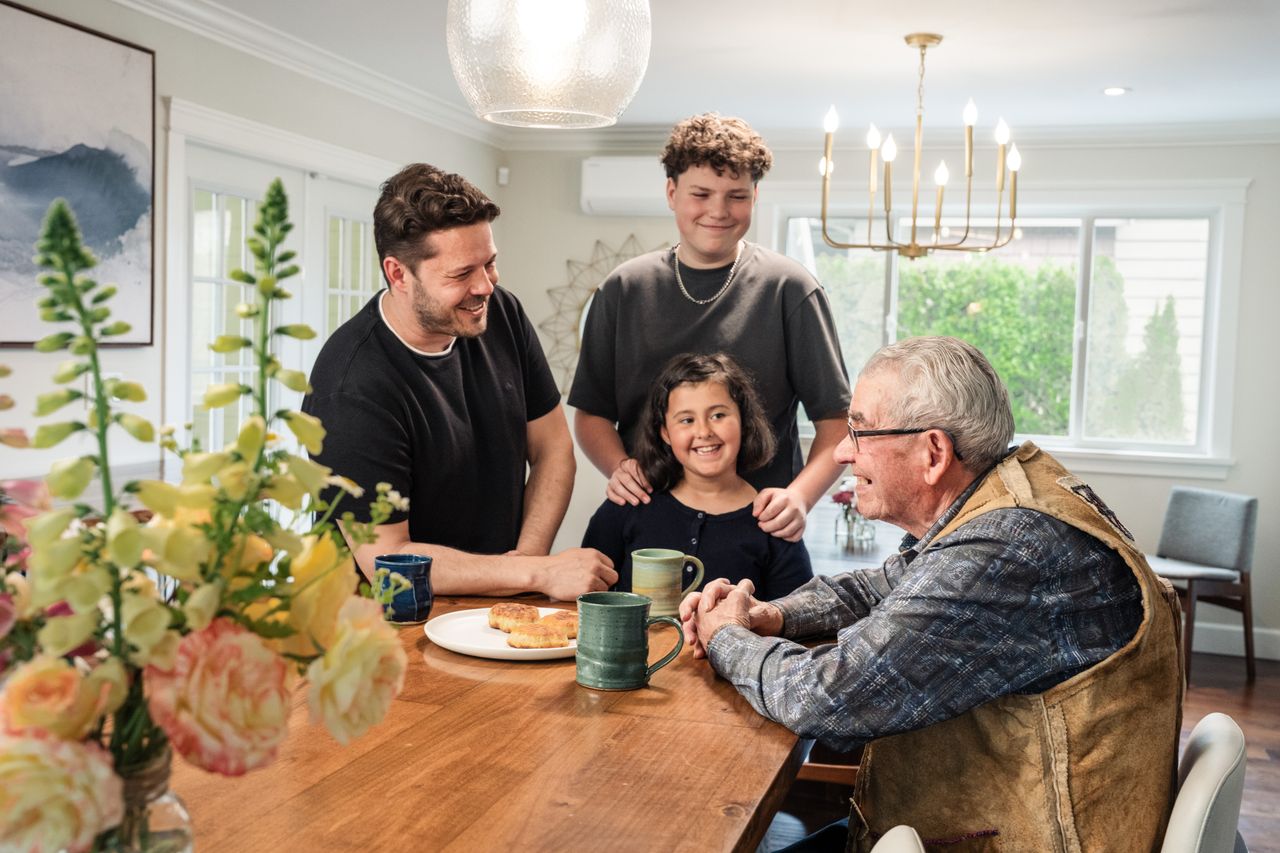
On many farms, the hardest jobs are not in the yard but at the kitchen table. A family business can carry decades of work, shared history and unspoken expectation, yet talks about the future are often put off until illness, retirement or a sudden crisis forces the issue. By that point, practical decisions can be knotted up with emotion.
That is part of what makes succession on farms so different from many other small businesses. Land is not just an asset on paper. It is livelihood, identity and, for some families, the thread that connects one generation to the next. Parents may assume their children understand the plan. Children may assume there is a plan, when in fact nothing has been properly discussed at all.
In that context, subjects such as farm inheritance tax planning matter not only for legal or financial reasons, but because they can push families to be clearer with one another. The real value of planning is often that it brings practical questions into the open: who will run the business, who will live in the farmhouse, and how non-farming siblings will be treated fairly.
The conversation many families put off
These discussions are rarely easy, but avoiding them can create bigger problems later. Even where everyone gets on well, silence leaves room for misunderstanding.
- Assumptions go unchallenged.
- Roles stay vague.
- Promises made informally may be remembered differently.
A better approach is to treat succession as an ongoing family conversation rather than a single dramatic event. That can mean reviewing arrangements regularly, writing things down and making sure the next generation understands both the opportunities and the responsibilities involved. On a farm, continuity is rarely accidental. It usually depends on people being willing to talk honestly before circumstances make the choices for them.
Featured image credit: Jelly Marketing for Pexels.